
insights: a blog of mental health musings
By Rachel Quigley, LMFT
Thoughtful reflections on anxiety, trauma, and the nervous system — written for adults seeking depth-oriented, trauma-informed, somatic therapy in san luis obispo and California.
These posts are an extension of my clinical work, offering education, curiosity, and gentle perspective for those navigating life transitions, identity shifts, relational challenges, and emotional overwhelm.

Why Therapy Works (And Why It's Different Than Talking to Friends)
Recently, even a friend of mine shared some ambivalence about therapy. He wondered whether it was actually useful and questioned whether psychology was a “real” science at all. “I don’t need another person to talk to, I have lots of friends.”
Honestly, I understood where he was coming from.
From the outside, therapy can look deceptively simple. Two people sitting in a room talking. No scans. No lab tests. No visible procedure. Unlike treating a broken bone or running a blood test, emotional healing is often less visible and harder to measure in immediate ways. People often imagine therapy as simply talking about feelings or venting to a stranger.
It's reasonable to wonder: What exactly is happening here?
As a therapist, I've found that many people have never been told what therapy actually is or what therapists are paying attention to while they're sitting across from them.
The answer is more interesting than "having someone to talk to."
Building a Career That Actually Fits Your Life
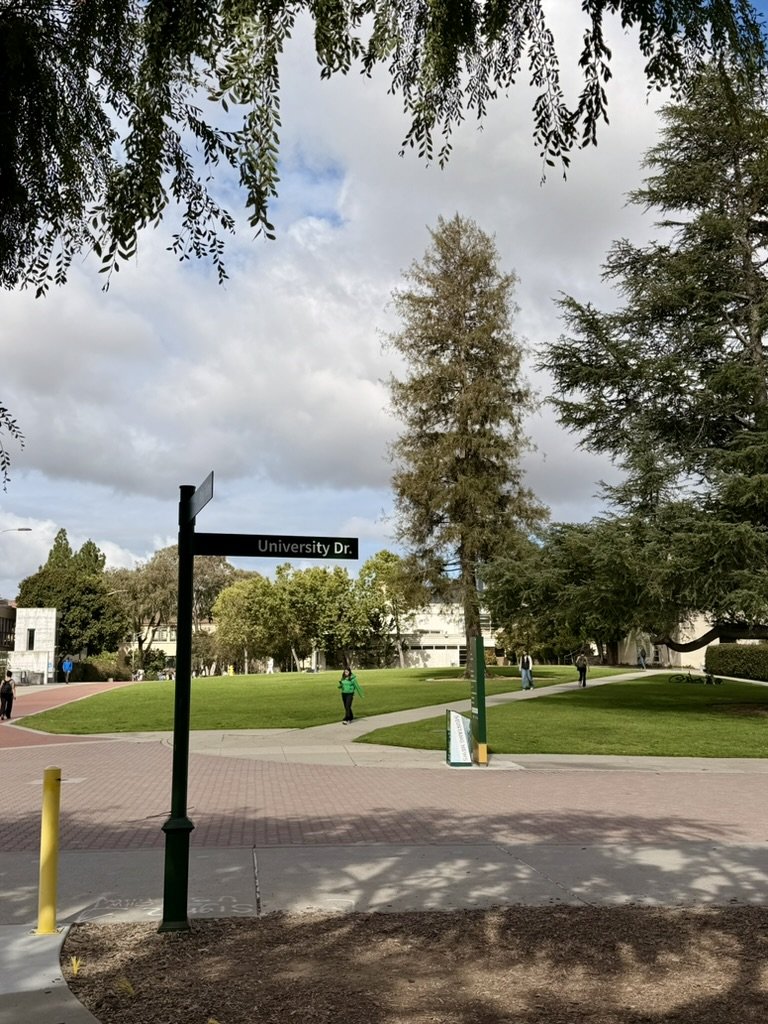
A few weeks ago, I returned to Cal Poly to speak on a panel about my professional journey. As I walked onto Cal Poly campus, I was flooded with the sensory memories of my time as a student there. Parking in the structure, walking past the PAC, through the UU. The smells of the eucalyptus trees and foliage. The feeling of slight panic trying to find the building and classroom. Walking across Dexter Lawn and arriving warm, slightly out of breath, and with the familiar anxious feeling of rushing to class. I typically don’t love speaking in front of big groups, but speaking about my own personal journey feels different, it's mine and I am for sure the expert on the twists and turns of my path to my current career. The professor told the panelists that there are many graduating seniors in the class, curious about how life unfolds after wearing the cap and gown, anticipating big life decisions and changes and some fear about the current job market and state of the world.

Self-Compassion: Changing the Way You Relate to Yourself
Many of us carry deeply rooted beliefs that we are not enough, too much, or have to hold everything together alone. This post explores how anxiety, trauma, and nervous system patterns shape these beliefs — and how self-compassion can become part of healing.

Why You Feel Anxious Even When Everything Looks Fine
From the outside, your life may look fine. You may be functioning well, showing up for others, managing responsibilities, and holding everything together. But internally, you might feel anxious, overwhelmed, disconnected, or constantly “on edge.”
For many people, anxiety doesn’t look like falling apart. It looks like pushing through, overthinking, staying busy, and struggling quietly beneath the surface. Over time, living in this state can leave you feeling disconnected from yourself, your body, and your sense of ease.
Somatic therapy offers a different way of working with anxiety—one that includes not only the mind, but the nervous system and body as well.

Therapy + Yoga, a collaborative process.
I just finished a power yoga class at Spark Yoga—10:45 a.m. on a Monday morning. I’m tired, but deeply energized. Grounded. Clear. And ready to mindfully engage and hold space for my clients through individual therapy and somatic therapy sessions.
I don’t take this moment for granted. Having the time and flexibility to attend a morning yoga class—especially on a weekday—feels like a gift. Between school drop-offs, errands, home responsibilities, and time spent at my office in downtown San Luis Obispo, these small pockets of intentional movement and stillness have become essential. Yoga has evolved into a cornerstone of my self-care routine—supporting not only physical health, but also self-compassion and deep self-curiosity.
Somatic Therapy

rachel quigley, lmft

Rachel quigley is a licensed marriage and family therapist bringing more than a decade of experience providing holistic mental health therapy service to san luis obispo, the central coast and greater california (via telehealth).
individual therapy